
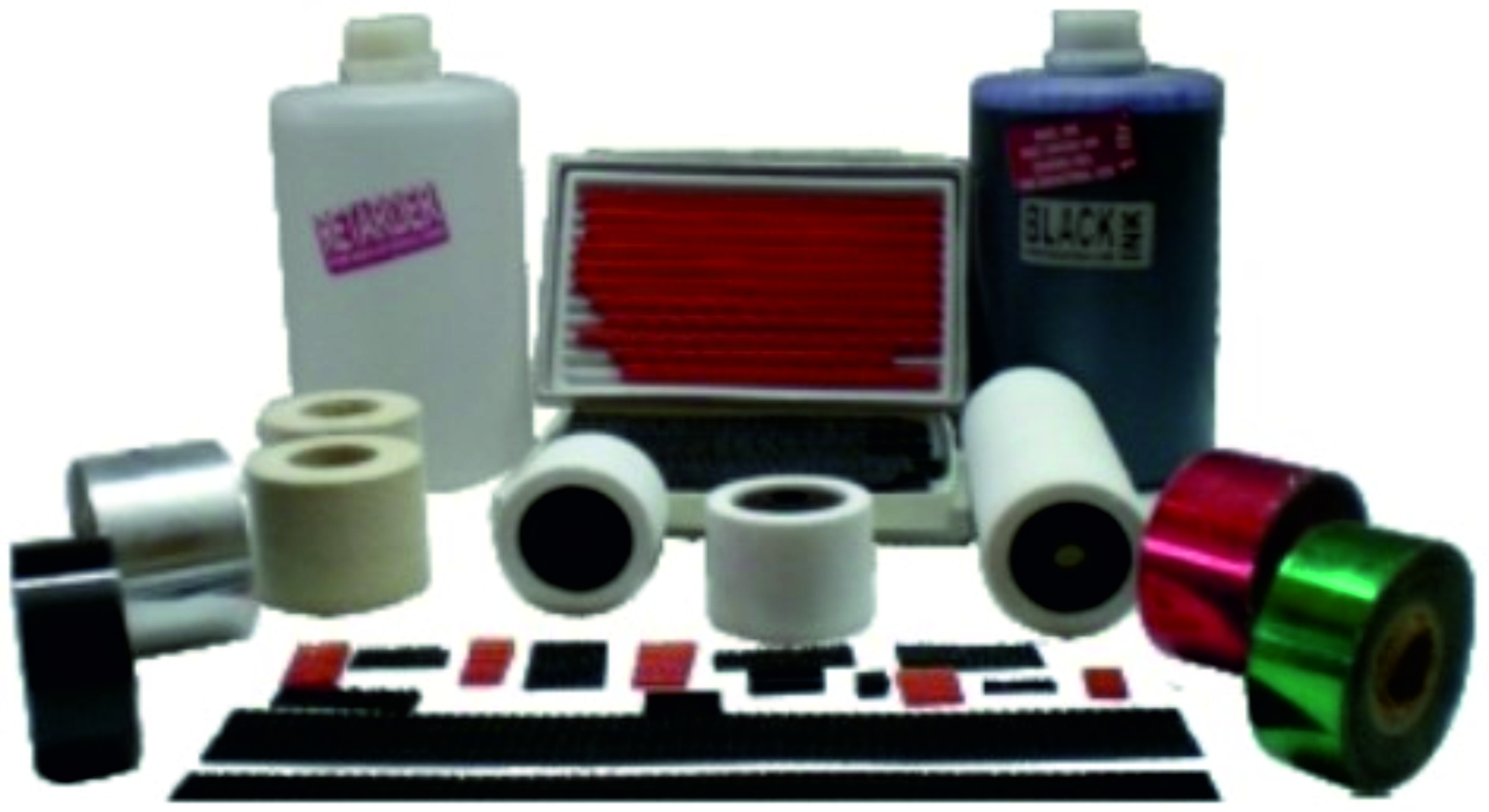
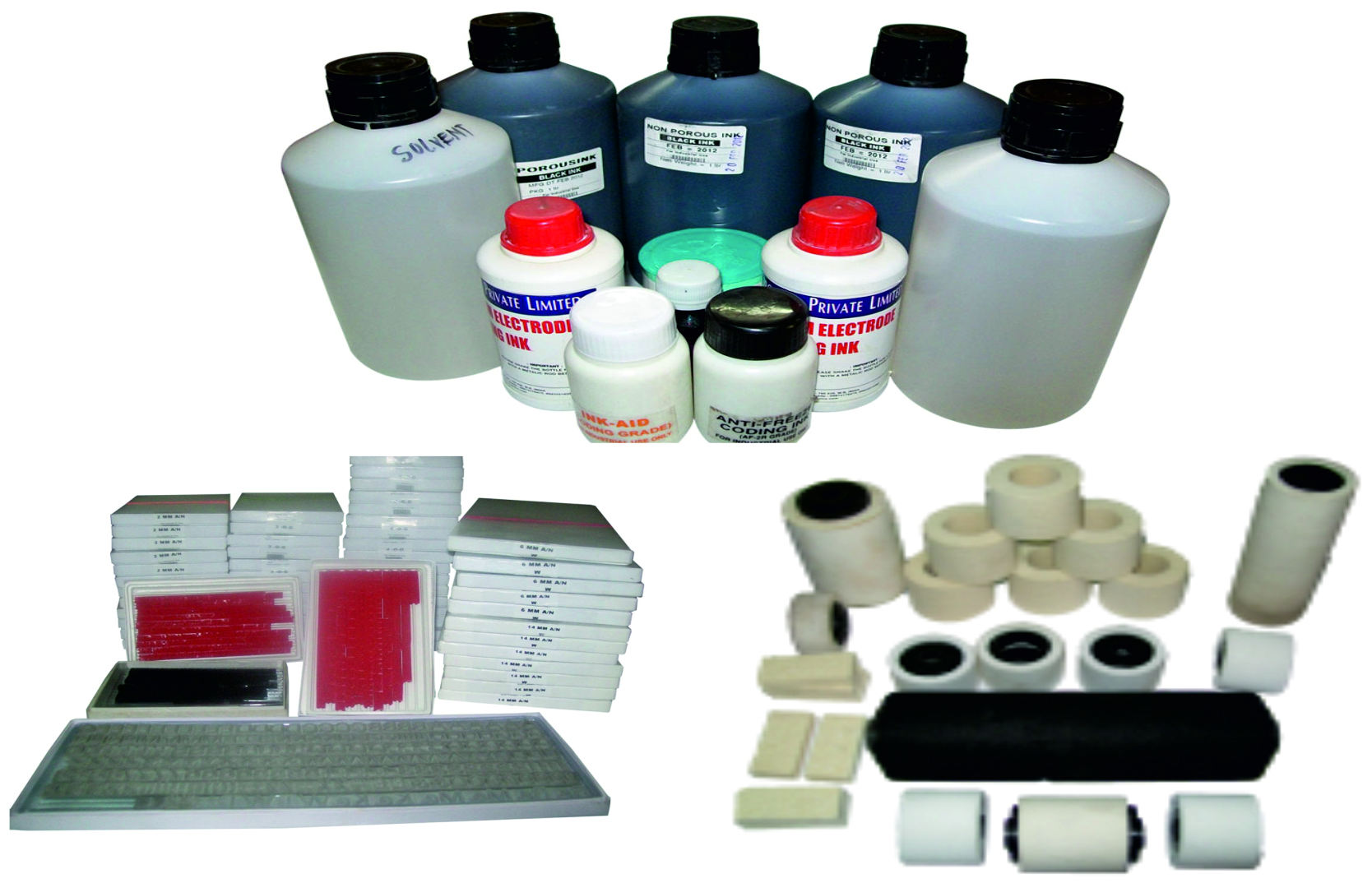
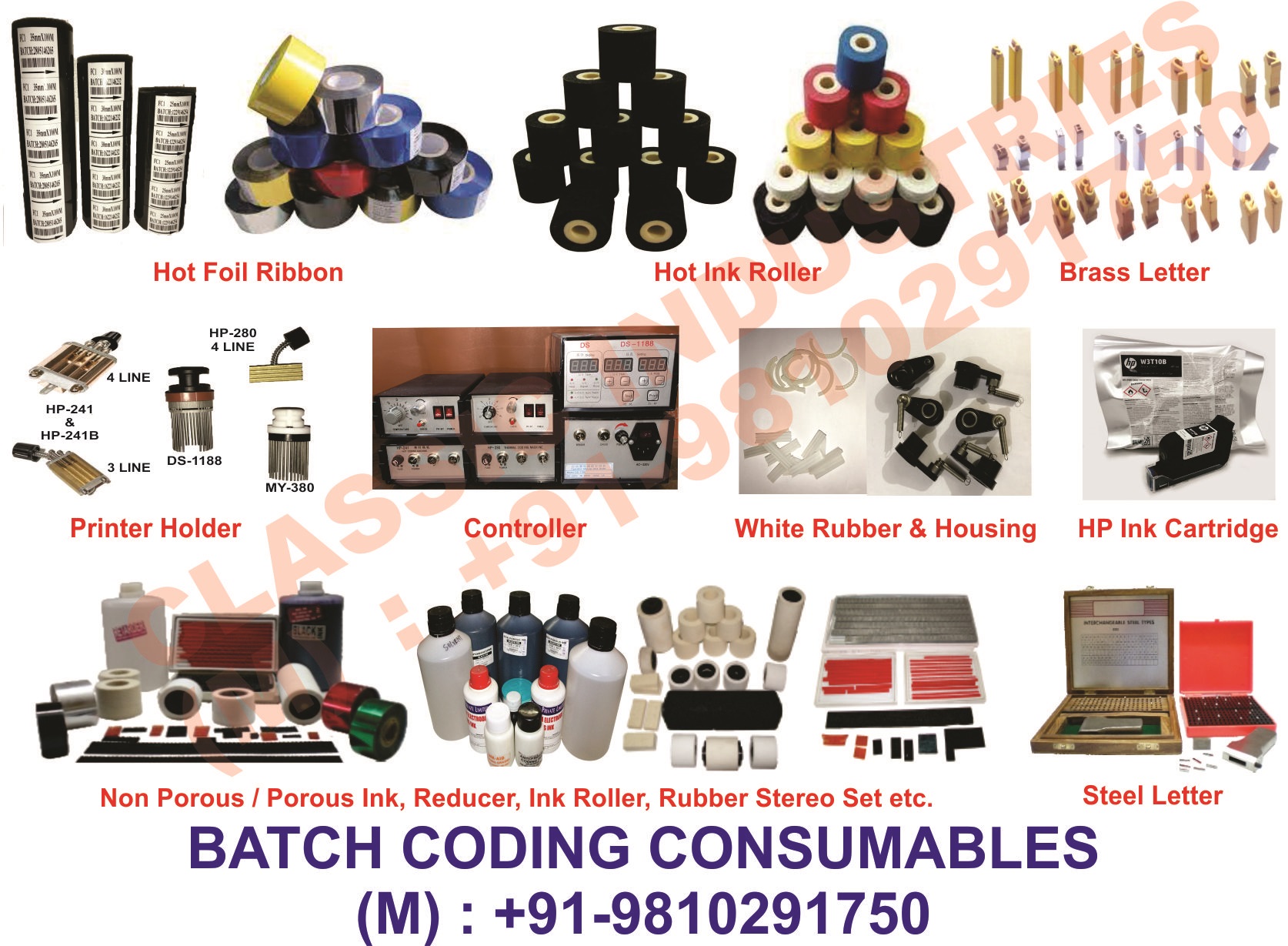
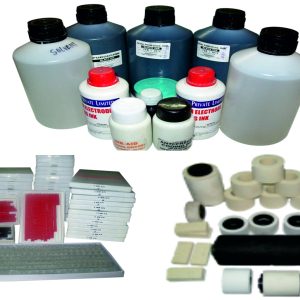
Coding inks are specially formulated inks designed for printing variable data such as expiration dates, batch numbers, barcodes, or logos onto product packaging, labels, or directly onto products. They need to dry quickly, adhere well, and resist smudging or fading.
🔥 Types of Coding Inks
-
Solvent-Based Inks
-
Fast drying, durable, and good adhesion on non-porous surfaces like plastic, metal, glass.
-
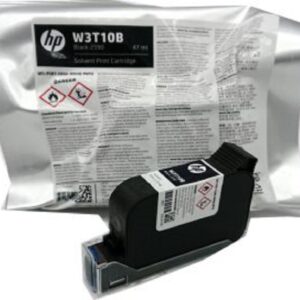
Used in Continuous Inkjet (CIJ) printers and some manual coders.
-
Can have strong odors and require good ventilation.
-
-
Water-Based Inks
-
Eco-friendlier, low odor, easier cleanup.
-
Used mainly on porous surfaces like paper or cardboard.
-
Dry slower and may have less durability on plastics.
-
-
UV-Curable Inks
-
Dry instantly under UV light.
-
Very durable and resistant to abrasion and chemicals.
-
Common in high-end industrial printers.
-
-
Thermal Transfer Ribbons (Wax, Resin, Wax-Resin)
-
Used in thermal transfer printers. The ink is on a ribbon that melts onto the substrate.
-
Wax ribbons are economical, resin ribbons offer durability, and wax-resin combines both.
-
-
Heat-Resistant Inks
-
Used for products exposed to high temperatures (e.g., sterilized medical packaging).
-
Can withstand heat without discoloring.
-
🏭 Applications
-
Food and beverage packaging
-
Pharmaceutical and medical devices
-
Electronics and automotive parts
-
Cosmetics and personal care products
-
Paper bags, cartons, and labels
Reviews
There are no reviews yet.